
Why Choose TransFarm Africa
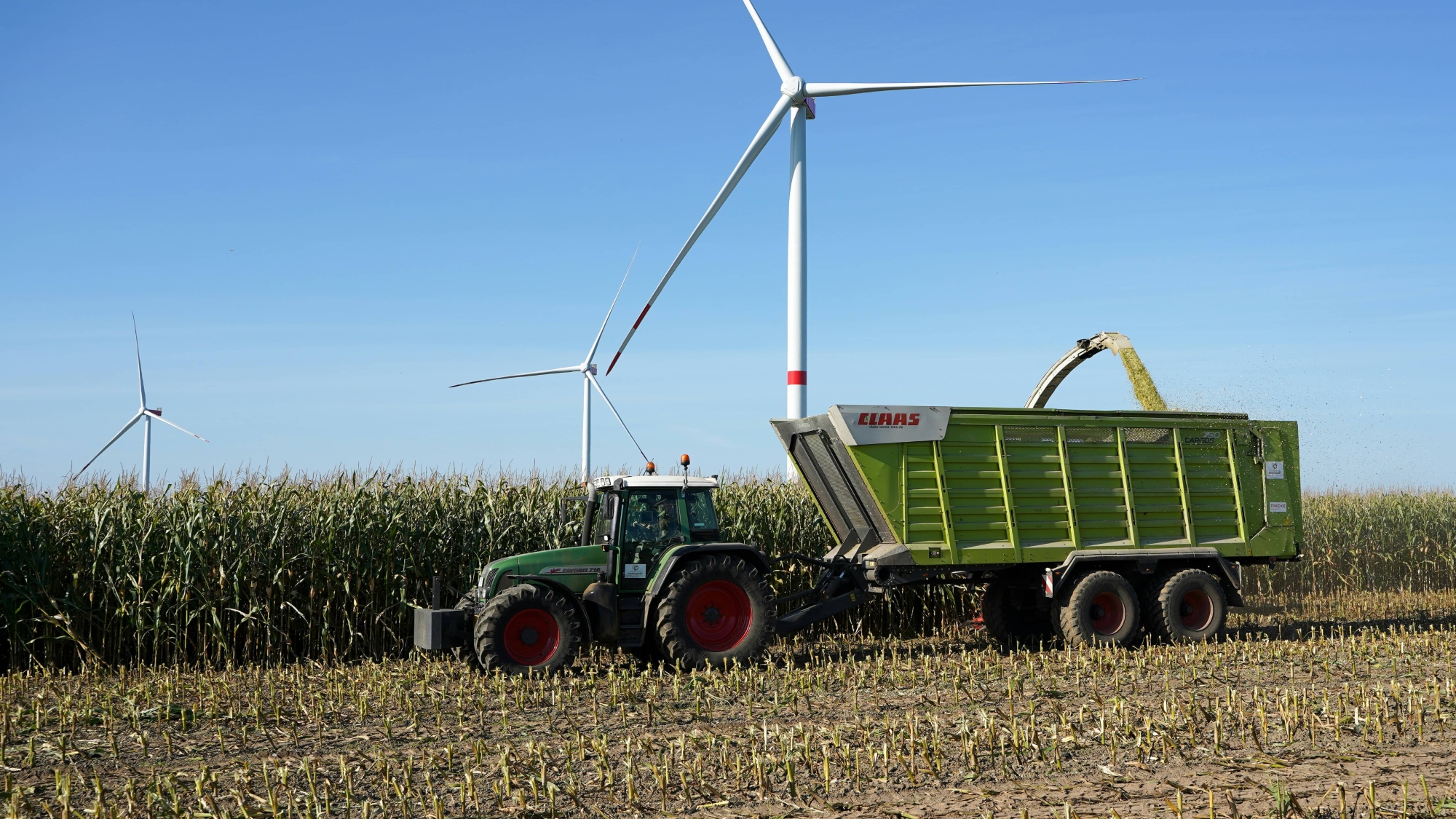
Our approach combines sustainable investment, advanced agricultural practices and strong regional expertise to drive long-term agricultural development across Africa.
Sustainable Investing
We define sustainable investment as community-based, technologically advanced and environmentally friendly. It is our view that large-scale agricultural investments must be made in conjunction with efforts to improve returns for small-scale farmers. Education and skill transfer can have economic as well as social benefits within the local community, while smaller farmers can take advantage of improved local and regional infrastructure,
Sustainable and advanced farming practices
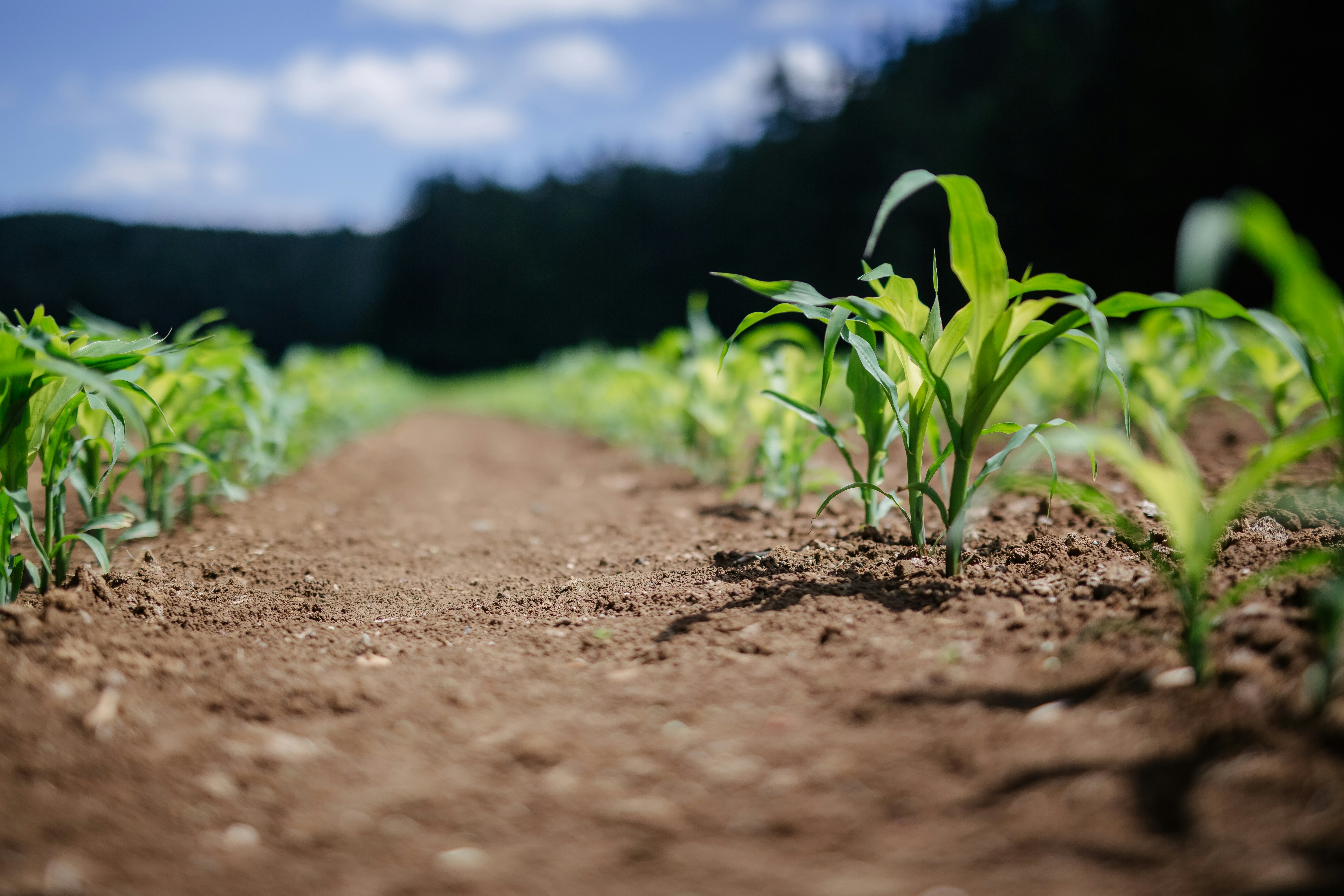
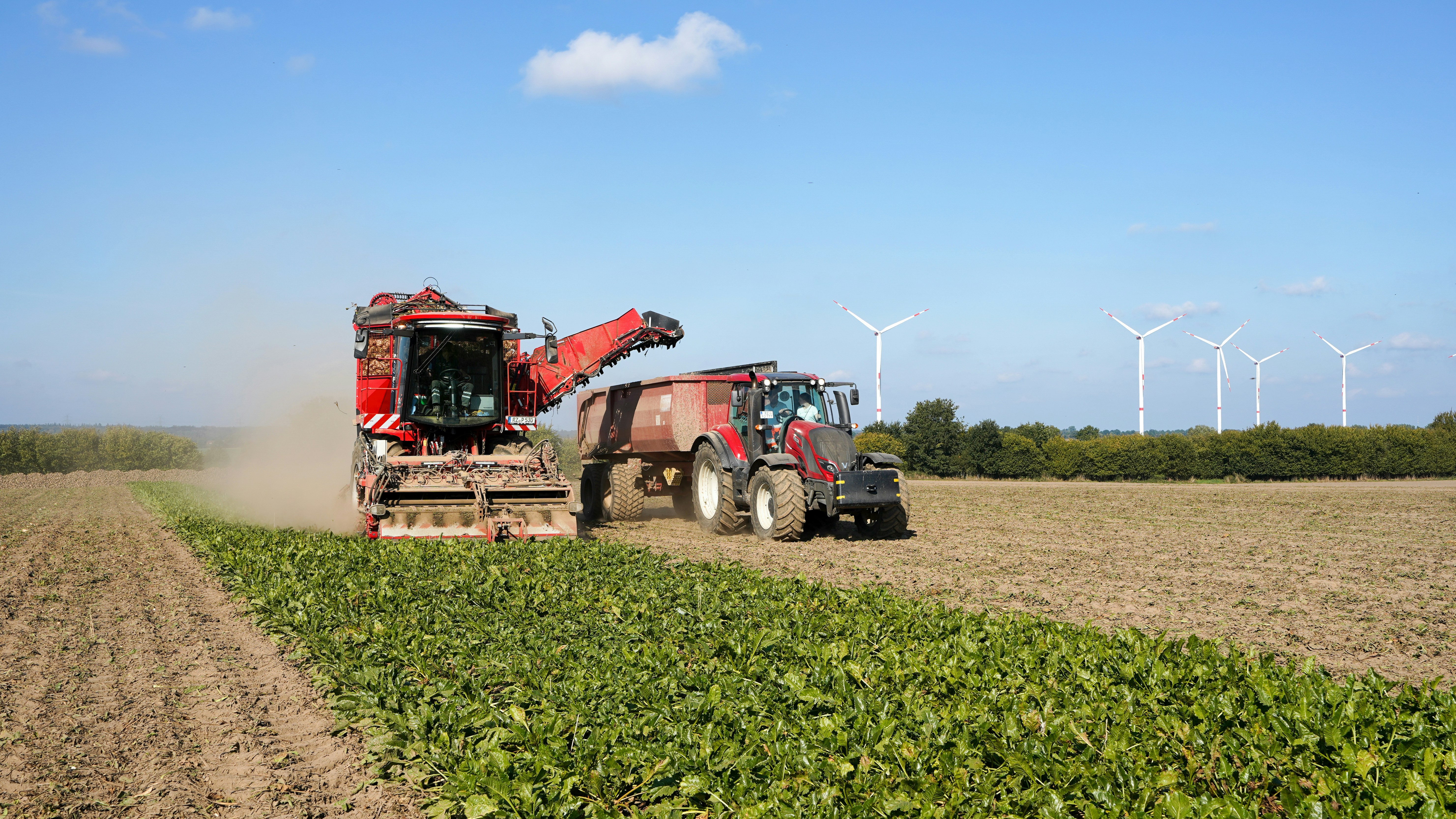
TransFarm Africa is a highly entrepreneurial team with a rich history and extensive experience in sub-Saharan Africa; over time some members of our management team built one of the largest vertically integrated agricultural companies in Tanzania. Our strategy emphasises conservation tillage, crop rotation, careful soil management and effective irrigation. We also have experience implementing new technologies such as precision farming which uses a combination of global positioning and geographical information systems (GPS and GIS) and remote sensing data to optimise our use of inputs and resources, reducing waste.
Management
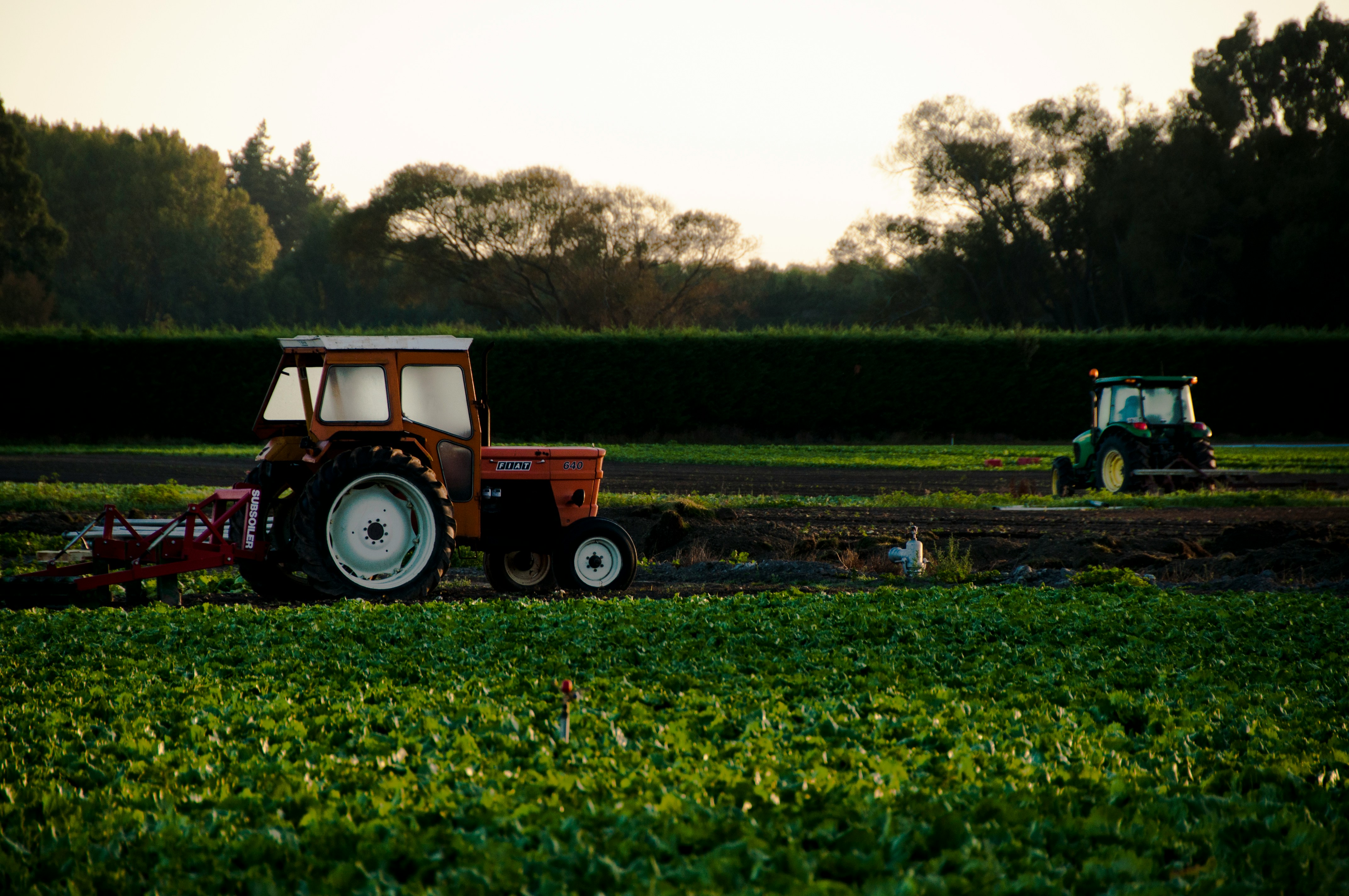
TransFarm Africa’s strategy is to be the best regional grain related product supplier in Eastern Africa being produced on the farm by a best class farm management team with extensive commercial farming experience in Africa. A very important attribute needed to farm in Africa is the skills to develop profitable farms from bush.
TransFarm Africa operations consist of an in-house development team that develops the land and infrastructure in a low-cost, timely and high quality manner. In order to unlock the farming opportunity Africa offers it is very important to be able to execute. The TransFarm Africa team has a proven track record of executing in an African environment.
Incentives drive behavior and therefore TransFarm Africa believes that managements’ interests should be in line with that of fellow shareholders. TransFarm Africa therefore encourages management shareholding.
Commitment to feed Africa
Our business model focuses on exporting food cross-border within sub-Saharan Africa to meet the growing demand of a continent in which market inefficiencies and poor infrastructure have resulted in high food prices. Political boundaries often cut across natural market sheds. For example, surplus maize production from Uganda serves deficit markets in Kenya whereas maize deficit zones in South Sudan source their supplies from across the border in Northern Uganda. Our strategy is to fill critical gaps in the supply chain by accessing markets across the region: for example, setting up border grading, storage and processing facilities in a surplus production zone on the border of a complementary deficit zone; establishing seed and input supply chain improvements in strategic surplus areas; and locating a fertiliser blending plant halfway between the demand markets and the point of disembarkation for imported raw materials.
Creative risk management
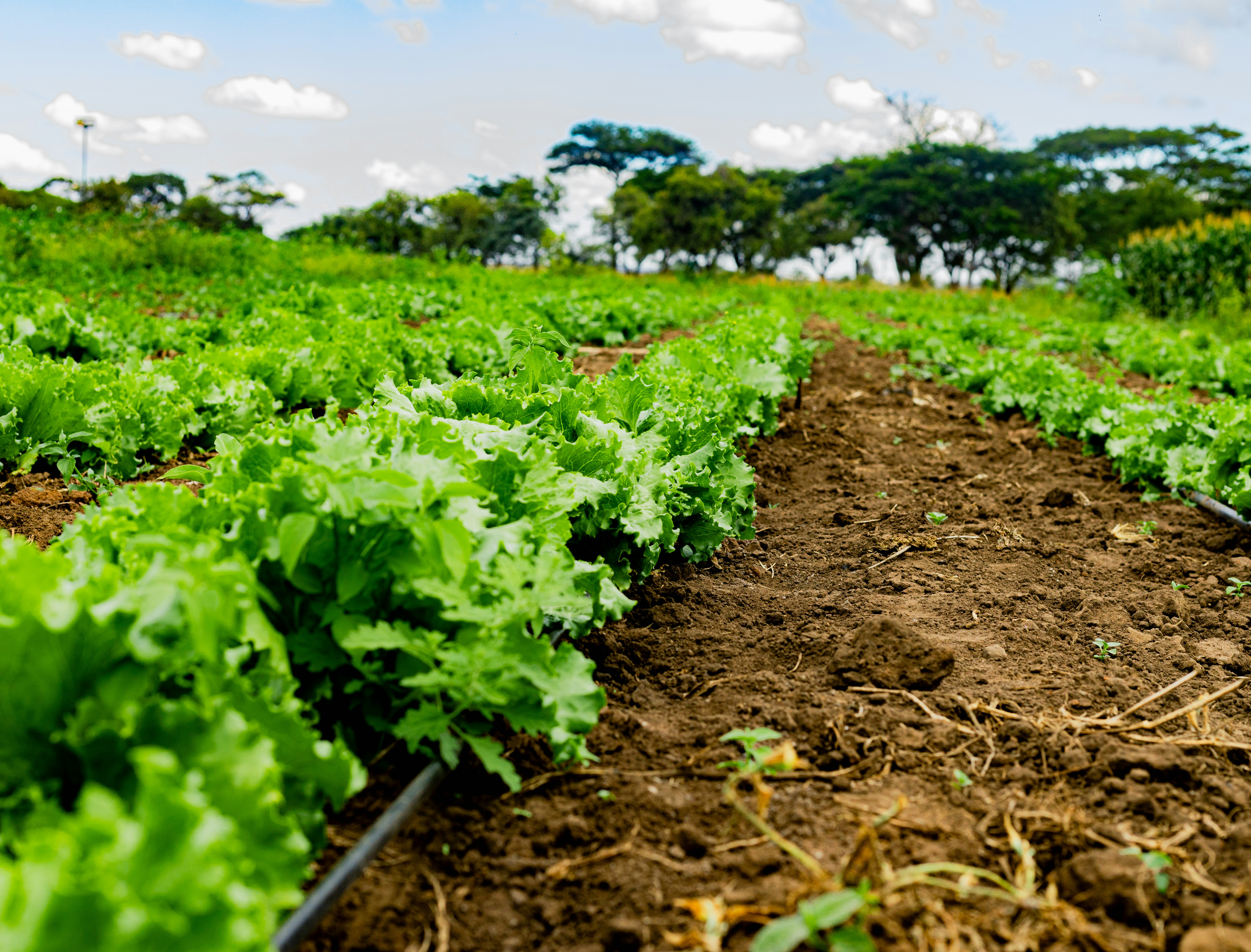
In order to protect the value of our investors’ assets, we have implemented several exceptional programmes. Through our relationship with the World Bank, we have worked with the Multilateral Investment Guarantee Agency to obtain political risk insurance to cover our investments in Africa.
Intensive research
We conduct fundamental analysis on political and social systems, market infrastructure, labour markets and capital markets support in order to narrow down potential areas in which to invest. Given the dynamics of emerging markets, we weigh country factors more heavily than industry factors. Our assessment includes detailed analyses of business cycles, economic growth, government policies, governance and property rights, as well as arable land availability, yields, weather, water resources, transportation costs, regional grain and crop production and consumption trends.